
Key Considerations When Choosing Furniture for an Office Move
Moving to a new office is as exciting as it is demanding — it requires careful planning and attention to detail. One of the most critical aspects of this process is choosing the right office furniture. Furniture choices matter for employee productivity, comfort, and the overall aesthetic of the office. In this article, we take a detailed look at the key factors to keep in mind when selecting furniture for a new office move.
Office Size and Space Planning
The first thing to consider when choosing furniture for your new office is proper space planning. Desks, chairs, cabinets, and accessories should be sized appropriately for each work area.
Oversized furniture can make a space feel cramped, while furniture that is too small can create usability problems. For this reason, a floor plan should be drawn up and the required number and dimensions of furniture pieces determined for each work area.
Ergonomics and Employee Comfort
Ergonomics is one of the most important criteria in furniture selection. Non-ergonomic desks and chairs pose a long-term risk to back, neck, and spinal health.
Chairs with adjustable backrests, armrests, and seat height should be preferred. Likewise, desk height should be planned so that it is aligned with eye level.
Brand Identity and Corporate Aesthetics
Your new office is a reflection of your company's image. For this reason, the company's corporate colors, style, and industry positioning should be taken into account when selecting furniture.
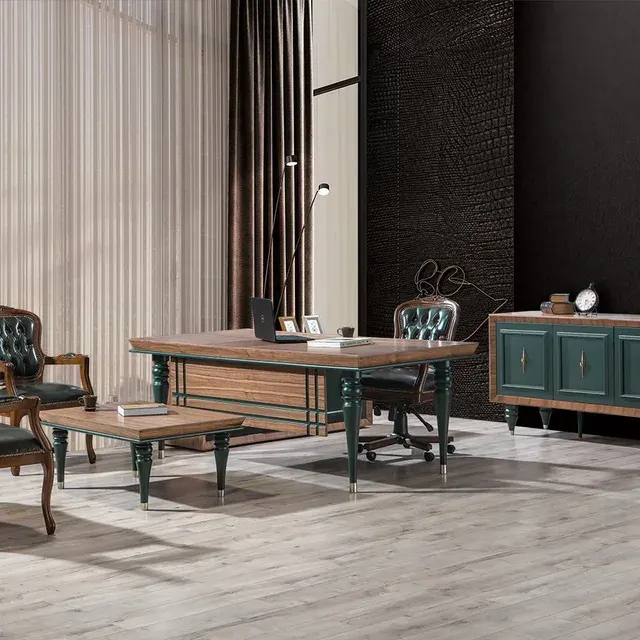
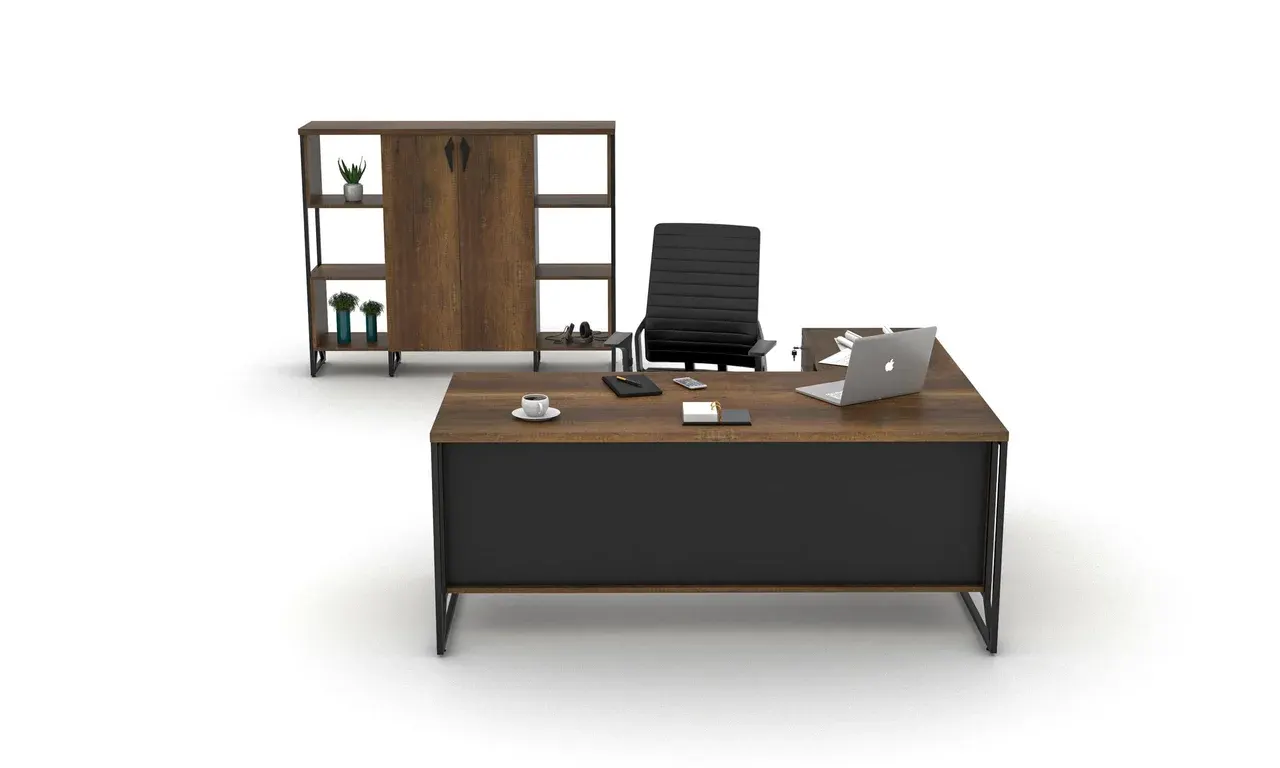
Choices should be made from different furniture styles — modern, classic, minimal, or industrial — that reflect your company's character. This also matters greatly for the impression you make on clients.
Material Quality and Durability
Office furniture should be chosen for long-term use. Therefore, material quality, sturdiness, and ease of cleaning should all be considered.
Different material options such as wood, MDF, metal, or glass should be evaluated to find what best suits your needs. Products that deform easily should be avoided.
Storage Solutions
When moving to a new office, storage areas are often under-planned. Yet sufficient cabinets and shelving systems are needed for functions such as archiving, document storage, and storing small items.
Solutions such as mobile cabinets, drawer units, and wall-mounted shelves both save space and maintain order. The placement of storage furniture should also be arranged so as not to obstruct workflow.
Opting for Modular Systems
Modular furniture is very practical in new offices because of its ability to grow or be reconfigured over time. Being movable and interchangeable offers a significant advantage.
For example, modular desk systems make it easy to create divisions between departments, and new modules can be added as the number of employees grows.
Compatibility with Lighting and Electrical Connections
When positioning office furniture, the locations of power outlets, internet infrastructure, and lighting should be taken into account. Desks that are not positioned in relation to work lighting can reduce comfort.
In addition, work units that are compatible with under-desk cable management channels, power outlets, and lighting systems should be preferred.
Acoustics and Noise Control
In new office environments, one of the factors affecting work productivity is sound reflection and ambient noise. For this reason, it is beneficial for office furniture to have sound-absorbing properties or to be supplemented with acoustic panels.
Partition systems that reduce sound reflection between employees can also be considered.
Reception and Waiting Areas
The area that will make the first impression in your new office is the reception and waiting zone. Comfort, aesthetics, and corporate identity should all be considered together in the design of these areas.
Waiting chairs, a welcome counter, and accessories (magazine racks, plants, artwork, etc.) give this area a professional appearance.
Matching the Floor and Wall Finishes
When selecting furniture, compatibility with the office's existing floor and wall colors should also be considered. If the flooring is wood, the furniture should be in matching tones.
Similarly, tones that do not create jarring contrast with the wall color and do not disturb the calm of the work environment should be preferred.
Sustainability and Eco-Friendly Choices
In recent years, sustainability has become an important criterion in office furniture selection. Products made from recyclable materials and carrying eco-friendly certifications should be preferred.
These choices both strengthen the corporate image and reduce environmental impact.
Budget Planning
When selecting furniture, it is important to evaluate quality options that are also reasonably priced. The office setup budget should not be exceeded, while at the same time investing in long-lasting products.
Bulk purchase discounts, promotions, and second-hand options can also be considered to achieve a quality setup at a reasonable cost.
Relocation Logistics and Ease of Assembly
One of the most important details during a move is that furniture is easy to disassemble and reassemble. This allows for faster assembly and saves time and labor.
In addition, products composed of parts with a low risk of damage and resistance to impacts should be preferred.
Choosing furniture when moving to a new office involves much more than aesthetics — it encompasses functionality, ergonomics, budget, and brand identity. With the right choices, it is possible to create a comfortable and productive environment for employees, strengthen the company's image, and achieve long-term savings.
Planned and well-considered furniture choices will make the process of moving to an office easier and more successful.
Looking for the right furniture for your office?
Browse the full catalogue and add your favourites to your quote list.
Explore Products