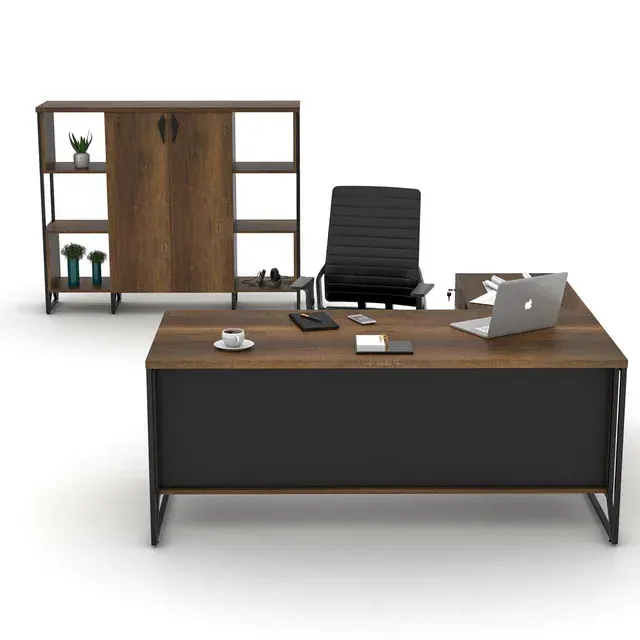

How to Choose Furniture According to Your Office Layout?

Office furniture selection should be made not only based on aesthetic considerations but also in line with the physical structure and intended use of the office. The shape of an office is a critical determining factor in terms of efficient use of space, employee comfort, and overall organization. A small office and a large open-plan office, or a rectangular space versus an L-shaped workspace, each require completely different solutions.
For this reason, when selecting furniture, the architectural structure, light intake, intended use, and workflow of the office must be analyzed in detail. In this article, we will discuss the most suitable furniture types and layout strategies for different office configurations.
Furniture Selection for Open-Plan Offices
An open-plan layout allows multiple employees to share the same environment in a large, partition-free space. In such areas, it is necessary to both facilitate collaboration and maintain privacy. This balance should be kept in mind when selecting furniture.
Desks used in open offices are generally composed of modular systems designed for multi-user use. Facing desk arrangements, shared workspaces, and partition-divided stations are commonly preferred. Supporting furniture such as sound-absorbing panels, acoustic booths, and individual focus areas are also important in these layouts.
In addition, choosing ergonomic chairs is critically important in open offices. Every employee's chair should be compatible with personal adjustments and should provide support for extended sitting sessions.
Functional Furniture Choices for Small and Narrow Offices
When choosing furniture for small office spaces, functionality and space efficiency must take priority. Since the area is limited, furniture must be suitable for multi-purpose use and should not restrict freedom of movement.
Foldable desk systems, wall-mounted shelves, corner cabinets, and elevated-leg furniture are ideal for this type of office. In small offices, light-colored furniture can be preferred to make the space appear larger and brighter.
Storage space issues can be resolved with drawer-integrated desk systems, mobile pedestals, and shelves positioned at ceiling height. Making use of vertical space without visually dividing the sightline should be the fundamental principle when selecting furniture for small offices.
Furniture Placement in L-Shaped Offices
In offices with L-shaped layouts, furniture that optimizes corner use should be preferred. Corner desks, 90-degree rotating desk systems, and swivel chairs increase efficiency.
In an L-shaped office, one arm can be used as a desk and work area while the other arm serves as a meeting area or relaxation zone. Using the space in two directions in such offices provides the advantage of combining multiple functions within the same area.
For storage, tall bookshelves and closed cabinets placed at the corner points of the office are recommended. This both resolves storage issues and preserves the continuity of the walls.
Balance and Symmetry in Rectangular-Plan Offices
Rectangular office spaces are among the most commonly encountered floor plan types. In such spaces, symmetry and alignment are important. Desks placed parallel to the long sides provide a neat appearance and smooth transition areas.
It is also possible to create two separate work zones in a rectangular office. One side of the space can be planned for desk clusters, while the other side serves as a meeting area or relaxation zone. The layout of furniture should be arranged so as not to narrow the pathways, and should be positioned to complement the length of the space.
Long desk systems and horizontally oriented decorative elements used in rectangular spaces make the area feel more open. This also creates a more relaxing atmosphere, particularly from the employees' perspective.
Furniture Symmetry in Square-Plan Offices
In square offices, furniture placement should follow a symmetrical, center-focused approach. Desks can be positioned toward the central point and surrounded by cabinets or seating areas. This creates both a central work point and interaction areas within the space.
A square layout is highly effective in executive offices. Guest chairs placed directly across from the desk, along with a bookcase or meeting table to the side, create a coherent overall look.
In square-plan offices, light-toned furniture and glass details can be preferred to prevent the space from feeling enclosed.
Balancing Aesthetics and Comfort in Home Office Furniture Selection
Since home offices serve as both a living area and a workspace, aesthetics and comfort must be considered together when selecting furniture. Furniture should harmonize with the home's overall decoration while also creating a professional work environment.
Foldable work desks, minimal desk systems, and desk combinations integrated with bookshelves are commonly preferred in home offices. Chair selection should be both ergonomic and visually compatible with areas such as the living room or bedroom.
In home offices, desk systems that eliminate cable clutter, wall-mountable shelves, and adjustable lighting allow the space to be used efficiently. With compact solutions, it is possible to create a space that is both stylish and functional.
Furniture Choices for Meeting Rooms
Meeting areas are among the most frequently used sections of an office and the first points of contact with external visitors. The furniture used in these areas must offer both corporate elegance and functionality.
Oval or rectangular meeting tables, durable surface coatings, comfortable seating groups, and well-positioned lighting are indispensable elements for meeting rooms. Under-desk cable management systems and furniture compatible with multimedia equipment also ensure these areas maintain a professional appearance.
In meeting rooms, simple yet powerful color palettes, acoustic panels, and the use of artwork strengthen the perception of prestige.
Waiting Areas and Client Reception Corners
Waiting areas are the face of the office presented to the outside world. For this reason, comfort, aesthetics, and functionality must be considered together. In these areas, a tranquil environment is created through comfortable chairs, understated coffee tables, informational brochure stands, and soft lighting.
In waiting areas, modular seating groups, space-saving magazine rack systems, and decorative wall panels can help maintain order. The color and material of the furniture used should be consistent with the overall office design.
Storage Solutions According to Office Layout
Storage needs also differ depending on the office layout. In small offices, vertical cabinet systems and mobile pedestals are more practical, while in larger offices, built-in bookshelves and integrated cabinet systems are more appropriate.
Corner shelves, internal cabinet dividers, and multi-functional storage units provide both aesthetic and practical solutions. At the same time, keeping office supplies out of sight contributes to a tidier and more professional appearance of the space.
Office Layout Is the Roadmap for Furniture Selection
The architectural structure of the office is a determining factor that must not be overlooked in furniture selection. Informed furniture choices made according to the form of the space, its light intake, the number of employees, and the intended use will provide optimum benefit in terms of both aesthetics and efficiency.
It should not be forgotten that every office layout offers its own unique opportunities. With the right furniture, these opportunities can be transformed into a productive and prestigious working environment. For this reason, the best starting point before purchasing office furniture is to thoroughly understand the space and clearly identify your needs.
Looking for the right furniture for your office?
Browse the full catalogue and add your favourites to your quote list.
Explore Products