
5 Common Mistakes When Buying an Office Furniture Set

One of the biggest mistakes made when setting up a new office or renovating an existing workspace is selecting an office furniture set based purely on appearance. Yet the right furniture choice directly affects employee comfort, productivity, and the overall atmosphere of the office. Unfortunately, many businesses rush through this process and end up making decisions that can cause long-term problems.
Focusing Only on Aesthetics
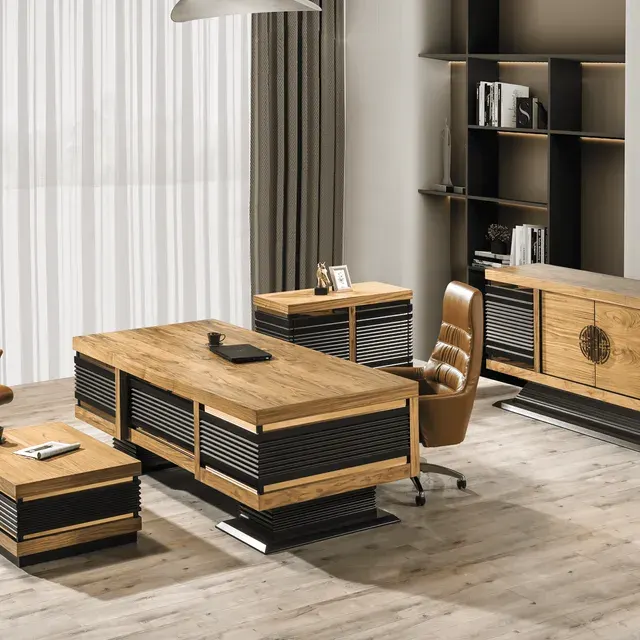
Many people look first at visual appeal when purchasing office furniture. Of course, a stylish-looking office is important — but it is not enough on its own. Furniture chosen solely based on visual preference may fall short in terms of ergonomics, material quality, and durability.
Beyond aesthetics, the intended use, level of comfort, and employees' daily habits must also be taken into consideration. Otherwise, you may end up with an office full of attractive but uncomfortable desks or inefficient storage spaces.
Overlooking Ergonomics
Ergonomics is essential for employees to work healthily over long hours. However, many businesses do not pay sufficient attention to ergonomic values when purchasing furniture. Over time, this leads to an increasing number of employees experiencing back, neck, and spine problems.
Ergonomic features such as height-adjustable desks, lumbar-supported chairs, and keyboard trays positioned at wrist level should be prioritized in furniture selection. Remember: ergonomic furniture is not a health expense — it is a productivity investment.
Starting to Shop Without Space Planning
A detailed layout plan should be prepared before purchasing an office furniture set. Unfortunately, many people fail to take office dimensions into account before buying desks, cabinets, and chairs. This results in a cramped and impractical layout.
Especially in small or open-plan offices, modular furniture should be preferred and movement space should not be compromised. Exact measurements must be taken before purchasing furniture, and the areas to be used must be properly analyzed.
Choosing Low-Quality Materials
Opting for furniture made from low-quality, non-durable materials in the name of affordability is a very common mistake. Such products deteriorate, scratch, or deform in a short period of time. This both incurs additional costs and damages the professional image of the workplace.
Durable MDF, solid wood, or steel-framed furniture — rather than thin chipboard bodies — is ideal for long-term use. In addition, material quality is significant in terms of your company's corporate image.
Overlooking Functionality
Fixed, single-purpose furniture is not suited to today's flexible working environments. Yet many people still opt for classic desk-and-chair sets, sacrificing functionality. This can cause significant problems particularly in hybrid teams and during rapid workspace reconfigurations.
Functional products such as desks with built-in storage, modular shelving systems, wheeled cabinets, and units with concealed power outlets both save space and adapt to working habits. Furniture that is not practical lowers employee motivation and increases inefficiency.
Looking for the right furniture for your office?
Browse the full catalogue and add your favourites to your quote list.
Explore Products