

Design Details That Enhance Psychological Comfort in the Office
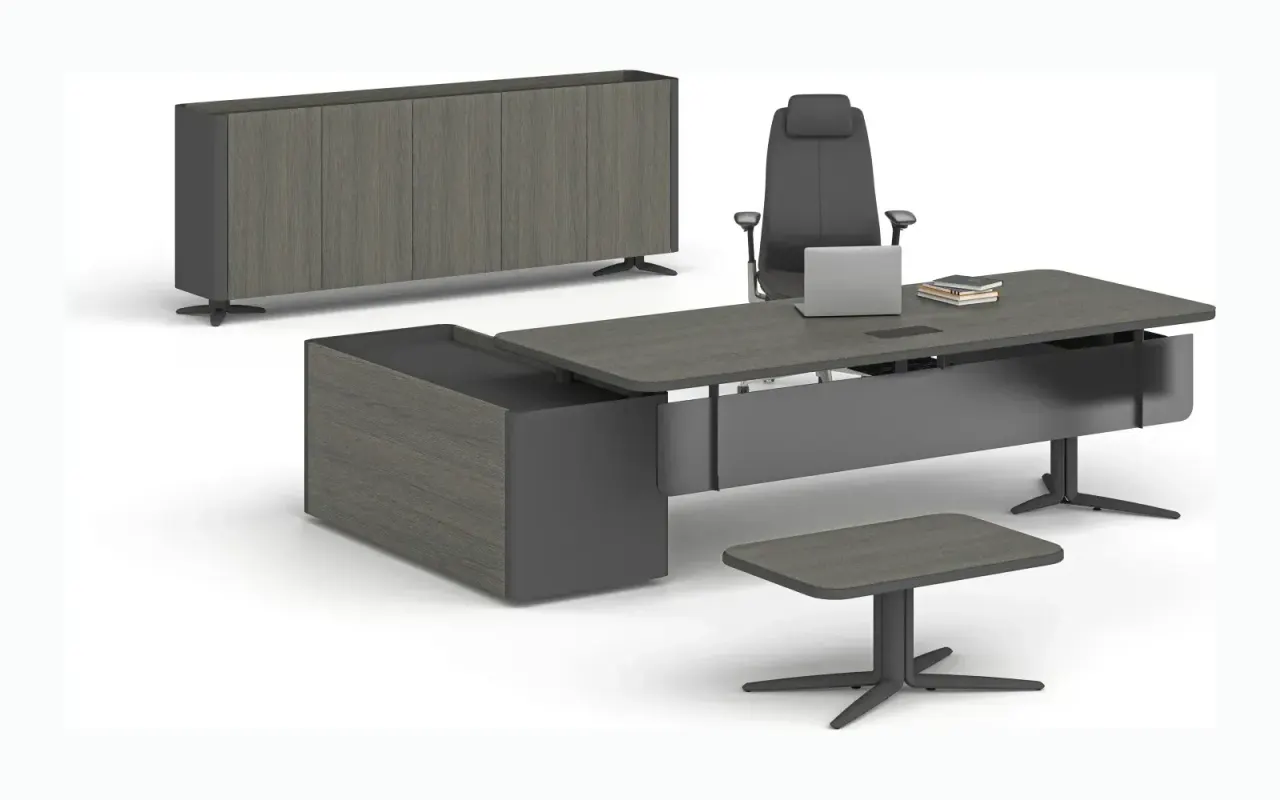
Modern office design places emphasis not only on employees' physical comfort but also on their psychological well-being. Today, factors such as work productivity, motivation, and employee engagement are directly linked to the psychological effects of the office environment, and architectural designs are shaped accordingly.
Natural Light and Lighting Design
One of the most important elements that enhance psychological comfort in offices is natural light. Natural light balances employees' circadian rhythms, regulates melatonin production, and supports the sleep-wake cycle, improving overall mood. Employees working in areas with insufficient daylight experience more stress and are more susceptible to burnout. For this reason, daylight should be brought in to the maximum extent possible through solutions such as window placement, the use of glass surfaces, and open office plans. At the same time, artificial lighting should also be chosen in a way that does not strain the eyes and has a well-calibrated white balance. In particular, having adjustable desk lamps allows individuals to regulate their environment according to their lighting needs.
Spaces Enhanced by Color Psychology
The effect of colors on human psychology has been scientifically proven for many years. The right color choices in office environments positively influence employees' emotional states. For example:
- Blue: Increases concentration, promotes peace and trust.
- Green: Reduces eye fatigue and creates a sense of calm by evoking nature.
- Yellow: Supports energy and creativity.
- Gray and White: Prevent distraction, but excessive use can create monotony.
Spreading colors evenly throughout the space creates a consistent design language from walls to furniture. In addition, allowing individuals to apply their own color preferences in personal office areas increases psychological comfort.
Noise Management and Acoustic Comfort
The noise level in the office directly affects employees' ability to concentrate and their stress levels. Noisy environments increase mental fatigue and raise the rate of poor decision-making. For this reason, acoustic arrangements are critically important for psychological comfort. Design elements such as acoustic panels, carpet coverings, sound-insulated partition systems, and ceiling panels ensure balanced sound distribution. Furthermore, by creating isolated sections such as individual work areas or "quiet rooms," employees can retreat to silence whenever they need to.
Biophilic Design Supported by Plants
Contact with nature has an extremely positive effect on human psychology. The biophilic design approach integrates natural elements into the office environment to strengthen feelings of peace and calm. Plants not only add aesthetic value but also support physical and mental comfort by improving air quality. Research shows that individuals working in offices with plants have lower stress levels and higher job satisfaction. Small potted plants, living walls, or natural landscaping in open office partitions are examples of this approach.
Furniture Selection and Ergonomic Comfort
Psychological comfort is closely related to physical comfort. Uncomfortable chairs and desks cause pain and fatigue in employees' bodies, which over time also negatively affects mental performance. Ergonomic chairs, height-adjustable desks, and lumbar-supported seating provide not only comfort but also a sense of being valued and cared for. Employees are more likely to form a psychological bond in an environment where their physical needs are met. In addition, comfortable lounge chairs, poufs, and quiet nooks in rest areas create important spaces for mental breaks.
Flexibility and the Opportunity for Personalization
Modern office designs are built on flexible structures that respect individual preferences. The ability of employees to arrange their own desk layouts, integrate personal items into the office environment, and use their preferred ergonomic solutions makes it easier for them to form an emotional connection with the space. Some employees prefer open areas with natural light, while others can work more productively in a more isolated and quiet environment. Flexible solutions that can respond to such needs support psychological comfort. At the same time, when individuals feel valued and free, their work motivation also increases.
Designing Social and Interaction Spaces
The presence of not only work-focused areas but also spaces open to social interaction in work environments is important for psychological balance. Areas such as kitchen spaces, coffee corners, and break rooms support communication among employees. Such social contacts strengthen the sense of belonging and reduce work-related stress. In addition, decorating these areas with warm colors, supporting them with soft seating groups, and enriching them with natural textures encourages individuals to voluntarily use these spaces.
Visual Hierarchy and the Sense of Order
The visual elements and layout features used in the office reduce mental clutter and make it easier to focus. A well-organized floor plan, clear passageways, categorized storage systems, and understated decoration create an atmosphere that does not tire the brain. Desk clutter, disorganized shelf systems, or complex color combinations, on the other hand, lead to distraction. For this reason, a simple yet functional design language in line with the principle of visual hierarchy should be adopted. This allows employees to be mentally clearer and more productive.
The Contribution of Art and Aesthetic Elements
Aesthetic details such as artistic objects, illustrations, posters, or sculptures support the formation of an emotional bond in the office environment. In particular, paintings that evoke nature, graphics featuring inspiring quotes, or culturally themed ornaments have a positive impact on employees' inner world. Such aesthetic contributions nourish the individual's spirit while also reinforcing a sense of corporate belonging. For this reason, a decoration philosophy that contains not only functional but also emotional stimuli should be adopted.
Psychological Well-Being Is Possible Through Human-Centered Design
Enhancing psychological comfort in offices directly affects not only employee satisfaction but also corporate productivity. Many elements — from lighting to colors, from ergonomics to social spaces — must be designed with the mental and emotional needs of individuals in mind. In offices that adopt a human-centered approach, stress levels decrease, creativity increases, and employees become more engaged with their work. For this reason, office design that takes into account not only aesthetic but also psychological dimensions is one of the fundamental building blocks of contemporary work culture.
Looking for the right furniture for your office?
Browse the full catalogue and add your favourites to your quote list.
Explore Products

