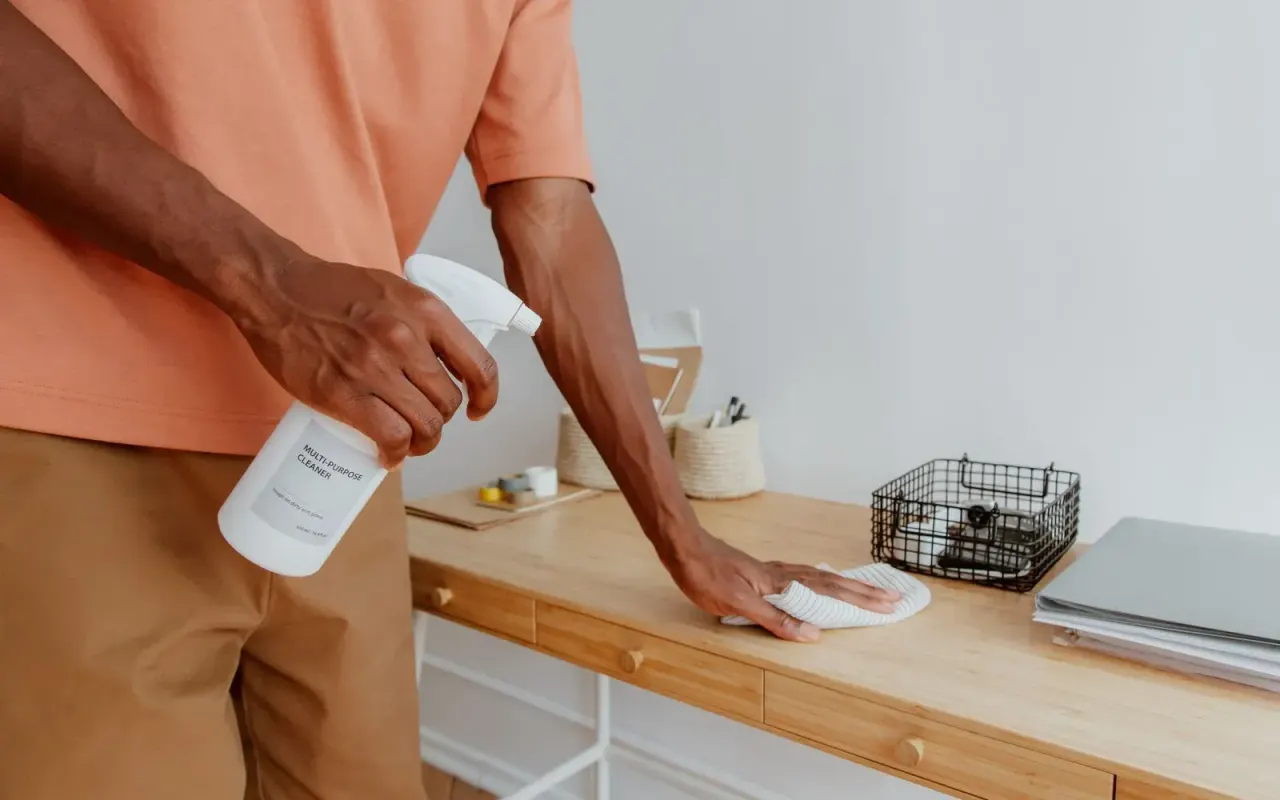

Material Selection in Office Furniture: Durability and Comfort
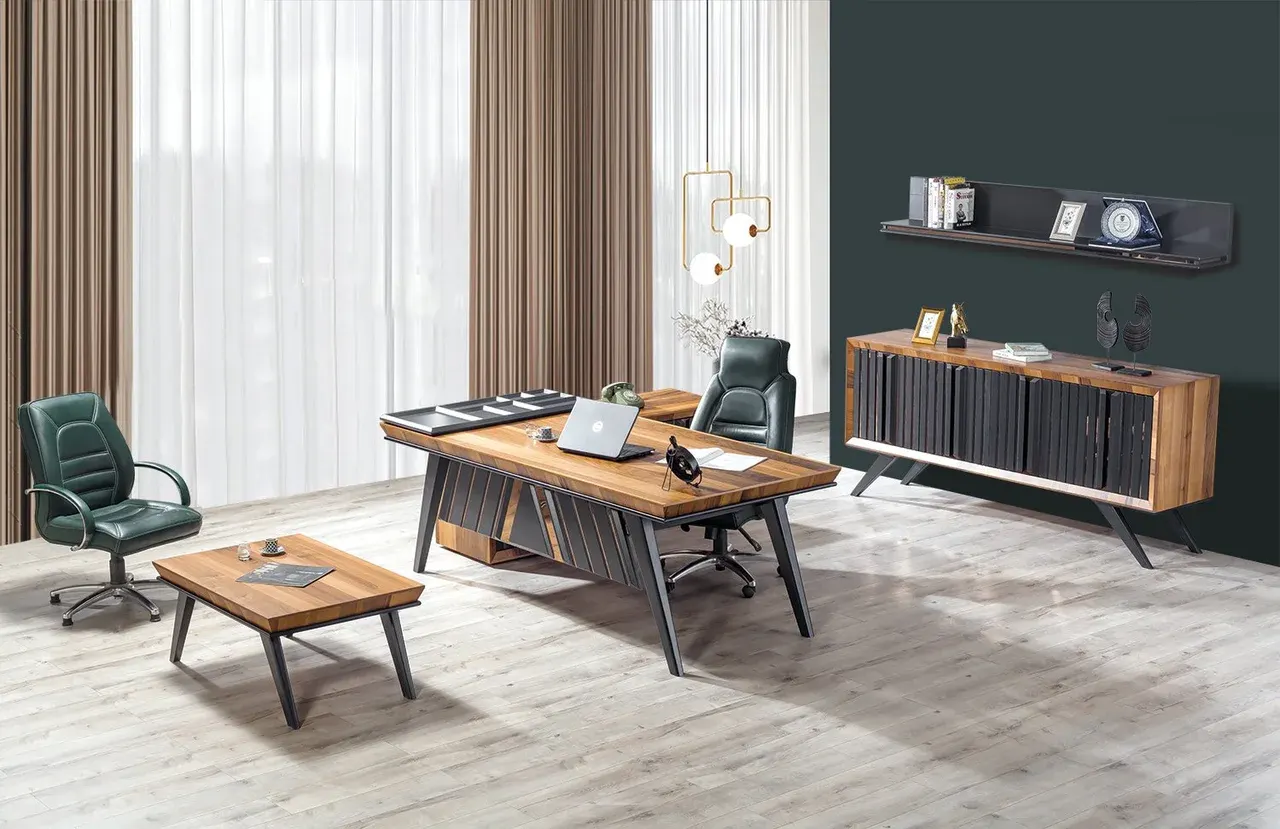
The Importance of Material Selection in Office Furniture
An office desk is used for an average of 8-9 hours a day, 45 hours a week; over five years that adds up to more than 10,000 hours of contact for a single desktop surface. Material selection is therefore not a visual preference but a durability calculation: a poorly chosen surface dulls and chips at the edges within two years, while the right material delivers two to three times the lifespan on the same budget.
Three questions are enough to decide: how much contact will the surface see, is the area a representative space or a working space, and how often will it be cleaned? These three answers largely determine the split between melamine board, lacquered MDF, metal and upholstery fabric. As the answers sharpen, the list of options shortens by itself and comparison becomes easier.
Wood Materials
In office furniture, the wood label covers three different materials in practice, each with its own price-performance balance:
- Melamine-faced chipboard: the standard for desks and cabinet bodies; look for 18 mm body panels, 25-36 mm desktop thickness and E1-certified low formaldehyde emissions. It resists scratching and needs no maintenance.
- Lacquered MDF: preferred for executive suites and conference tables because the edges can be profiled and painted seamlessly; matte lacquer hides fingerprints, glossy lacquer projects prestige but is more sensitive to scratching.
- Wood veneer: delivers the warmth of a real grain pattern; used alongside lacquer in upper-segment executive furniture.
- The edge detail: whichever board you choose, the 2 mm PVC edge banding on impact edges is what actually prevents chipping.
Metal and Composite Materials
Metal is the load-bearing skeleton of modern office furniture. Electrostatic powder-coated steel legs are protected against scratching and rust, and a welded steel frame carries a wide desktop without a middle leg, leaving the knee space clear.
- Powder-coated steel legs and beams: the highest load capacity; no sagging on conference tables and multi-person workstation groups.
- Aluminium profiles and components: light and corrosion-resistant; used in divider-panel carriers and chair bases.
- Metal pedestal and filing cabinet bodies: shelves do not flex under heavy archive loads, and lock systems keep documents secure.
The shared advantage of metal and composite bodies is maintenance: they wipe clean with a damp cloth, are unaffected by humidity, and survive being disassembled and rebuilt during office moves better than wood does.
Upholstery Fabric Selection
In upholstery, a single number says a lot: the Martindale abrasion test. Fabrics rated at 40,000 rubs and above are the safe zone for task chairs used 8 hours a day, while 25,000-30,000 rubs is adequate for waiting and guest seating. If the value is missing from the label, make sure to ask; under intensive use it is the best indicator of how many years the fabric will last.
- Mesh backrest: keeps air circulating during long sitting sessions and does not trap heat; the first choice for full-shift task chairs.
- Woven fabric: the widest range of colours and textures; ask whether a stain-repellent surface treatment has been applied.
- Faux leather (PU): wipes clean in reception and waiting areas that demand hygiene; but it does not breathe, so it is not ideal for a full-shift task chair.
- Foam density: matters as much as the fabric; high-density seat foam does not sag after the first year.
The Right Allocation by Intensity of Use
The practical rule is this: the weight of the budget should go to the points of heaviest contact. The chair occupied for eight hours and the desktop used every day deserve the top material class, while a rarely used guest chair or an archive cabinet is fine in the standard class. This allocation raises perceived quality without raising the total budget. In a 20-person office, for example, putting the weight of the budget into task chairs and desktops translates directly into daily comfort.
Because Fil Office is a manufacturer, these material decisions are not left to chance: a 2-year factory warranty applies to all products, and you can examine the material and fabric options in person at our Ümraniye showroom. Assembly is free for deliveries within Istanbul; once you add products to your quote basket, our team helps you finalise the fabric and colour alternatives.
Looking for the right furniture for your office?
Browse the full catalogue and add your favourites to your quote list.
Explore Products