
Tips for Cleaning Office Furniture and Ensuring Long-Lasting Use
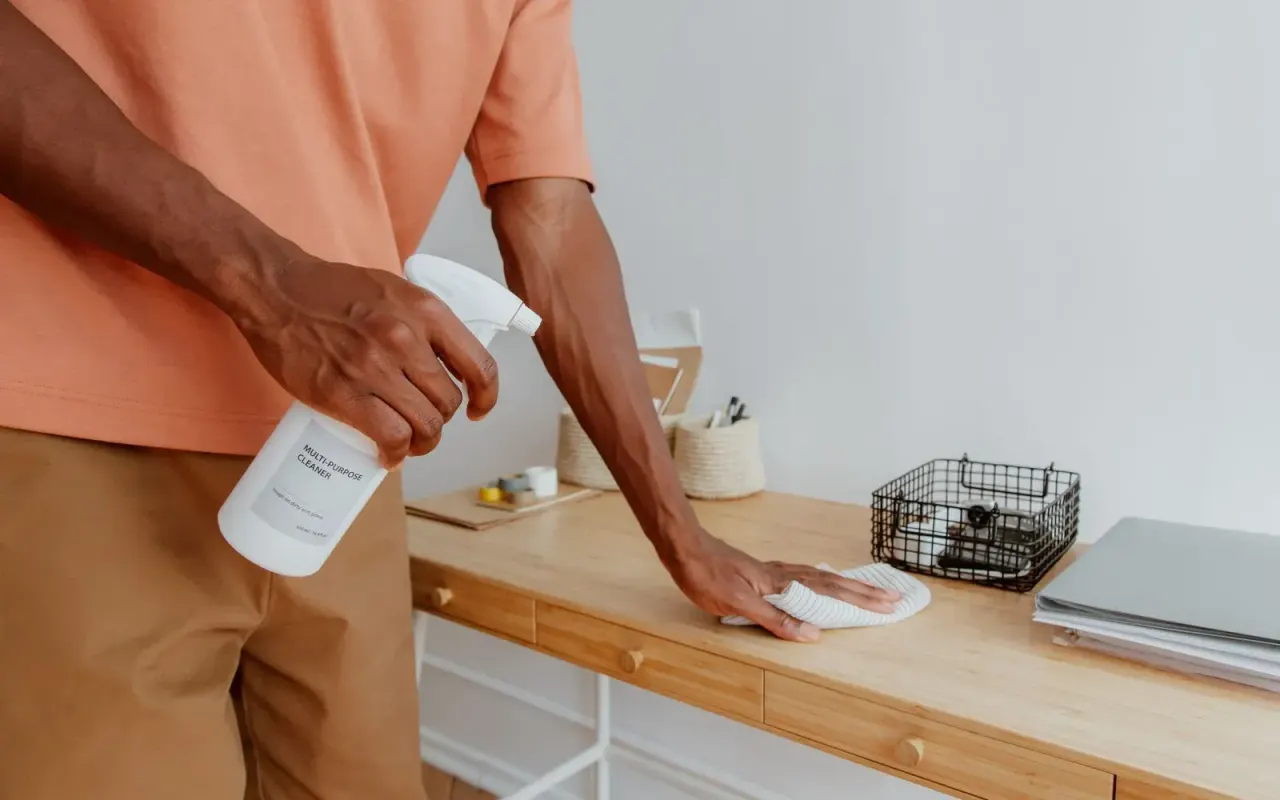
Office furniture consists of items that are constantly used and frequently contacted in daily work life. Desks, chairs, cabinets, waiting sofas, and all other equipment are often used by both employees and visitors, making hygiene and cleanliness a matter of great importance. Office furniture that is not cleaned regularly can pose health risks and may gradually lose its aesthetic appearance.
Moreover, regular cleaning is necessary not only for hygiene but also to extend the useful life of furniture. Furniture that is properly maintained using the correct cleaning methods can retain its original elegance for many years. This also has a positive effect on the professional image of the office.
Choosing the Right Cleaning Products
Since each type of furniture is made from different materials, cleaning products must be selected accordingly. For wooden furniture, specialized wood care products should be preferred over water-based cleaners. Water and moisture can cause wooden surfaces to swell and crack. Instead, the natural texture of the wood can be preserved by using a slightly damp cloth and appropriate polishes.
For metal surfaces, special cleaning solutions that prevent rust and resist scratches should be preferred. For leather upholstery, harsh chemicals should be avoided, and the surface should be gently cleaned with dedicated leather care creams and soft cloths. Using the wrong cleaning products can cause permanent damage to furniture surfaces.
Establishing a Daily Cleaning Routine
Establishing a daily cleaning habit is important for ensuring the longevity of office furniture. The surfaces of desks, chair armrests, and cabinet doors should be freed from dust and dirt every day. Especially if guests are frequently received in the office, cleaning of waiting sofas and reception area furniture should not be neglected.
Thanks to a daily cleaning routine, accumulated dust and stains are easily removed before they can damage the furniture. In addition, maintaining hygiene levels yields positive results in terms of employee health and workplace motivation.
Weekly and Monthly Deep Cleaning Applications
In addition to the daily cleaning routine, detailed weekly and monthly cleaning sessions should also be carried out. Through deep cleaning, accumulated dust between furniture pieces, food crumbs, and stubborn stains can be removed. In particular, chair cushions, under-desk areas, drawers, and shelving systems should be thoroughly checked within this scope.
Polishing, protective coating, and maintenance applications carried out on a monthly basis enhance the shine and durability of furniture. Additionally, deformations such as scratches, dulling, and color fading that may develop over time are thereby prevented.
Care and Maintenance of Wooden Furniture
Wooden furniture is an indispensable element of office decoration, valued for both its elegance and its warm appearance. However, the natural structure of wood requires careful maintenance. It is important to protect wood from direct sunlight, keep humidity levels balanced, and nourish the surface with appropriate polishes.
Placing heavy objects on wooden surfaces, using sharp objects on them, or leaving hot drinks unprotected on them increases the risk of deformation. These risks can be minimized with wooden protective pads, desk covers, and regular care creams.
Cleaning Metal and Chrome Parts
Metal and chrome details, which are frequently used in office furniture, provide elegance and modernity. However, they require regular cleaning due to fingerprints, water stains, and oxidation that forms over time. Shine can be maintained using lightly dampened microfiber cloths and specialized metal cleaners.
Abrasive sponges and highly chemical detergents should be avoided. Especially on metal-coated surfaces, such cleaners can cause scratches and color deterioration. The durability of metal surfaces can be enhanced with protective coating sprays.
Cleaning Leather and Faux Leather Furniture
Leather and faux leather upholstery, frequently used on executive chairs and waiting area sofas, requires careful cleaning. A soft, dry cloth is sufficient for daily dusting. Once a month, the surface should be moisturized with specialized leather care products to reduce the risk of cracking.
Liquids spilled on leather surfaces should be cleaned quickly and not left to dry. Additionally, leather surfaces exposed to direct sunlight can harden and crack over time. For this reason, direct light contact should be prevented with curtains and protective covers.
Cleaning Upholstery Fabrics and Removing Stains
Fabric-upholstered office chairs and sofas are sensitive to staining and dust accumulation. Weekly vacuuming should be used to remove surface dust, and protective fabric sprays should be applied against spills. In the event of a sudden spill, addressing the stain immediately is the most effective solution.
When selecting stain removers, the type of fabric should be taken into account, and aggressive chemicals should be avoided. When necessary, making use of professional sofa cleaning services extends the lifespan of fabric furniture and raises hygiene standards.
Pay Attention to the Mechanical Parts of Office Chairs
The movable and adjustable parts of office chairs can show wear and damage with prolonged use. Cleaning the wheels, regularly checking the height adjustment mechanisms, and lubricating moving parts help office chairs remain in good working order for longer.
In particular, deformations resulting from wheel friction against the floor in chairs used on hard surfaces should be carefully monitored. Transparent plastic floor protection mats can largely prevent this problem.
Environmental Conditions for Long-Term Furniture Protection
One of the important factors affecting the useful life of furniture is the general environmental conditions of the office. The temperature, humidity level, and ventilation of the environment directly affect furniture surfaces. In overly dry or overly humid environments, wood can crack, metal surfaces can rust, and fabrics can absorb moisture.
For this reason, climate control systems that maintain the ideal humidity level should be used and the office environment should be ventilated regularly. Additionally, protecting furniture directly from heat sources (radiators, air conditioning units, etc.) reduces the risk of deformation.
The Advantages of Obtaining Professional Maintenance Services
Carrying out all furniture maintenance in a regular and quality manner can be challenging, especially in large offices. At this point, receiving periodic services from professional cleaning and maintenance companies both saves time and contributes to keeping furniture in good condition for longer.
Expert teams carry out cleaning without causing permanent damage by using specialized cleaners and care products appropriate for each type of furniture. Furthermore, through deep cleaning and repair services, the original elegance of furniture is preserved.
Looking for the right furniture for your office?
Browse the full catalogue and add your favourites to your quote list.
Explore Products