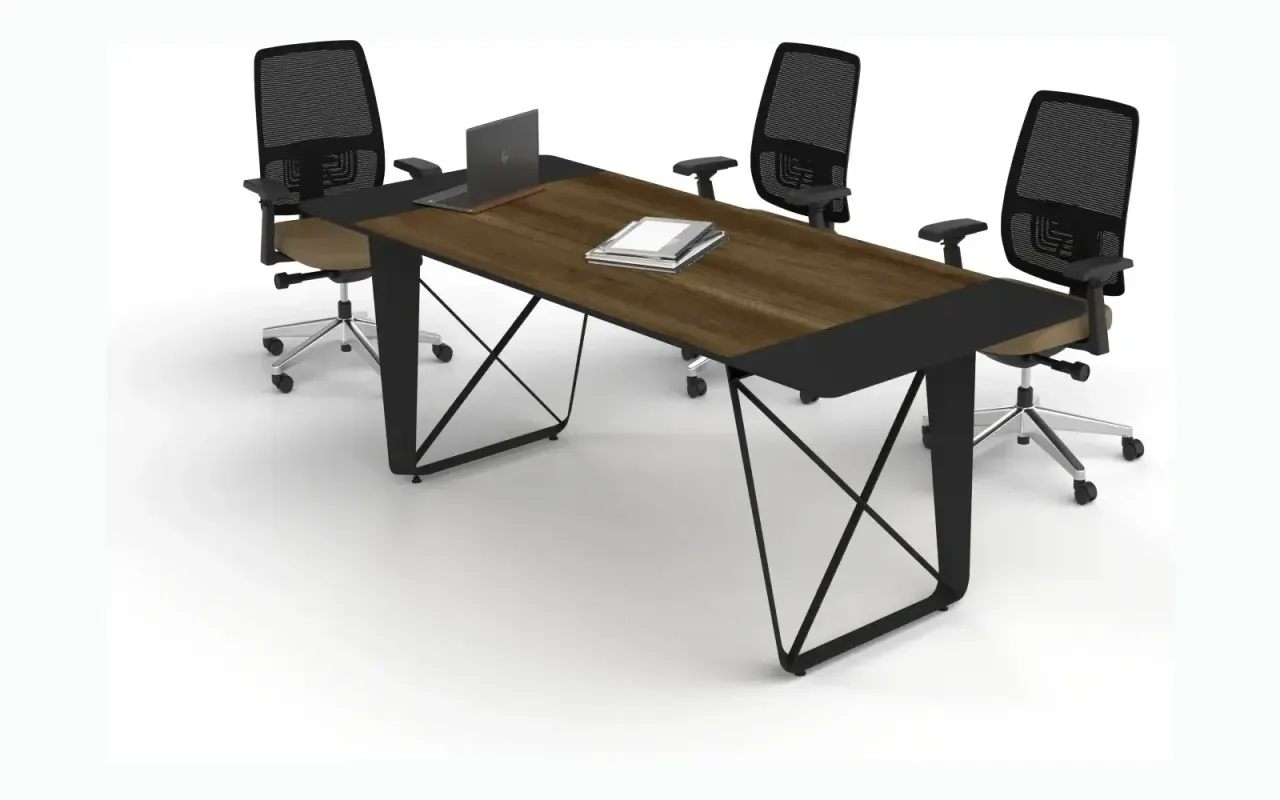

The Importance of User Experience in Office Design
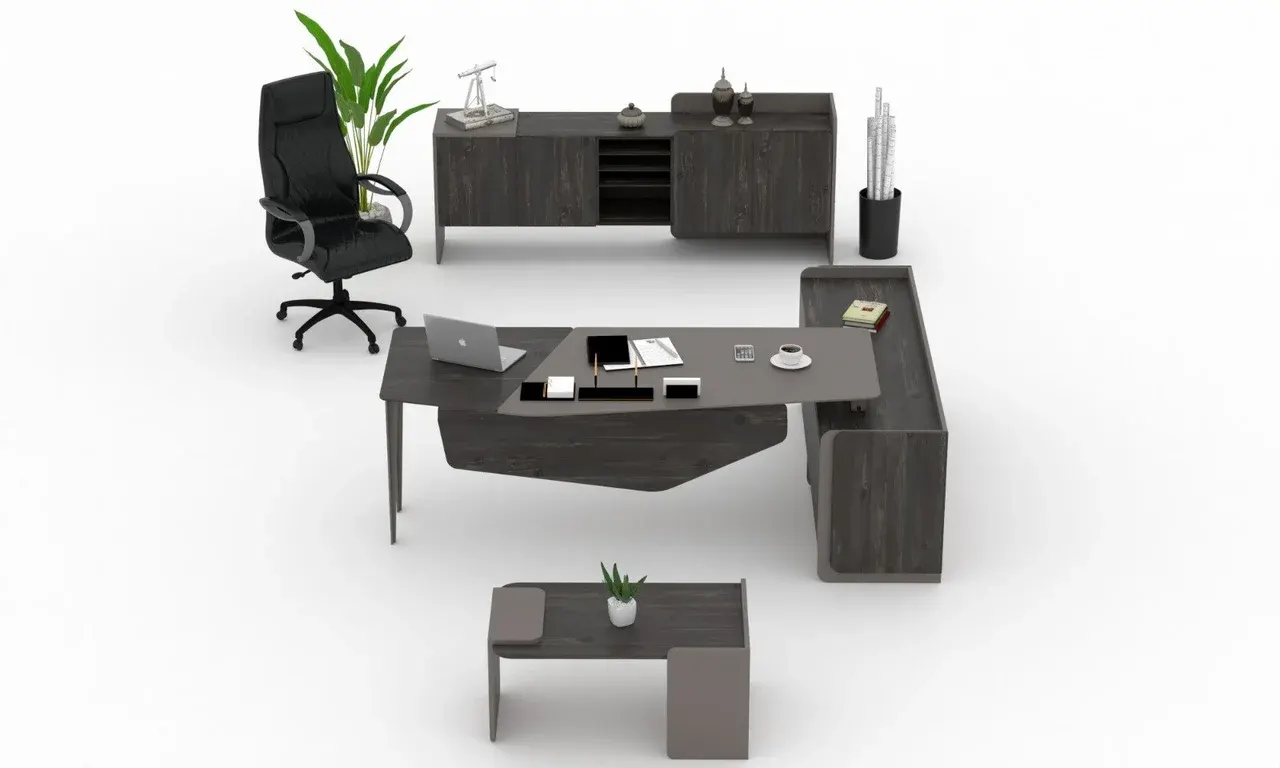
In modern offices, user experience is a critical factor that directly affects employee productivity and job satisfaction. Office design is not just a matter of aesthetics; it is a holistic approach that covers ergonomics, workflow, communication, motivation and more. A well-designed work environment increases employees' physical and mental comfort, reduces distraction and lifts work performance.
What Is User Experience, and Where Does It Show Up in Office Design?
User experience (UX) refers to the overall experience a person has in a given environment or system. In office design, UX is about how comfortably and smoothly employees can move around the office, interact with each other and carry out their work. A good user experience means employees can comfortably use the areas they need throughout the day, collaborate easily and keep their work moving without interruption.
The Importance of Ergonomics and Physical Comfort
Ergonomic arrangements are one of the cornerstones of user experience in office design. Ergonomic furniture, chairs that support correct sitting posture and adjustable desks prevent the physical discomfort that can develop during long working hours. Likewise, positioning computer screens correctly, optimizing lighting and providing enough room to move protects employees' health and increases their productivity.
Workflow and Space Layout
The layout of office spaces enables employees to get their work done faster and more effectively. In a UX-focused design, it is important to place teams close to one another, keep frequently used areas accessible and remove unnecessary obstacles. Open-plan offices encourage collaboration, while quiet work areas or private rooms provide ideal spaces for work that requires focus.
Aesthetic and Psychological Effects
Aesthetic elements in office design do more than please the eye; they also affect employees' motivation and psychological wellbeing. Natural light, harmonious colors, plants and decorative details make time spent in the office more enjoyable. A comfortable, inspiring environment helps employees feel valued and focus more fully on their work.
Technology and Usability
In modern offices, technology integration is an important part of the user experience. Fast internet access, wireless connectivity, the right technology infrastructure in meeting rooms and the ergonomic placement of work tools allow employees to manage their work smoothly. A user-friendly technology setup boosts motivation while reducing errors and wasted time.
Design That Supports Communication and Collaboration
UX-focused office design makes it easy for employees to communicate with one another. Shared areas, meeting points and an open-plan layout increase interaction within teams, while private areas support individual concentration. A balanced design optimizes both individual productivity and team success.
Flexibility and Future-Readiness
Flexibility in office design matters because it allows the space to adapt to changing business needs and different employee profiles. Modular furniture, movable partition panels and multi-purpose areas create opportunities to keep improving the user experience. A flexible design lets the office adapt quickly to future growth or changes in workflow.
Conclusion: Productive Offices Through User Experience
Prioritizing user experience in office design does more than increase employee satisfaction; it directly contributes to the company's overall productivity and corporate success. A holistic approach that brings together ergonomics, workflow, aesthetics, technology and communication is an essential requirement of the modern office. With employee-focused design, it is possible to provide both physical and mental comfort and create a more productive, motivated work environment.
Looking for the right furniture for your office?
Browse the full catalogue and add your favourites to your quote list.
Explore Products