
How to Balance Functionality and Aesthetics in an Office Layout?

When creating an office layout, focusing only on aesthetics or only on functionality is not enough. In modern workspaces, success comes from bringing these two elements together in balance. An office layout that is both visually appealing and efficient to use increases employee motivation and keeps work processes flowing smoothly.
Why Should Functionality and Aesthetics Be Considered Together?
Functionality ensures the workspace is used in line with actual needs, while aesthetics helps make the environment more inviting and motivating. An office focused solely on function can become dull and monotonous over time. Likewise, spaces designed purely for looks can fall short in practical use.
A balanced approach is therefore the right solution for both employee comfort and productivity.
Laying the Right Foundation with Space Planning
The first step in balancing an office layout is proper space planning. Work areas, shared zones and storage areas need to be positioned according to a clear scheme.
- Open, airy areas: Provide freedom of movement.
- Circulation routes: Make it easier to move around the office.
- Functional partitions: Reduce noise and distraction.
A well-planned space creates a strong foundation in terms of both aesthetics and functionality.
Striking the Balance with the Right Furniture
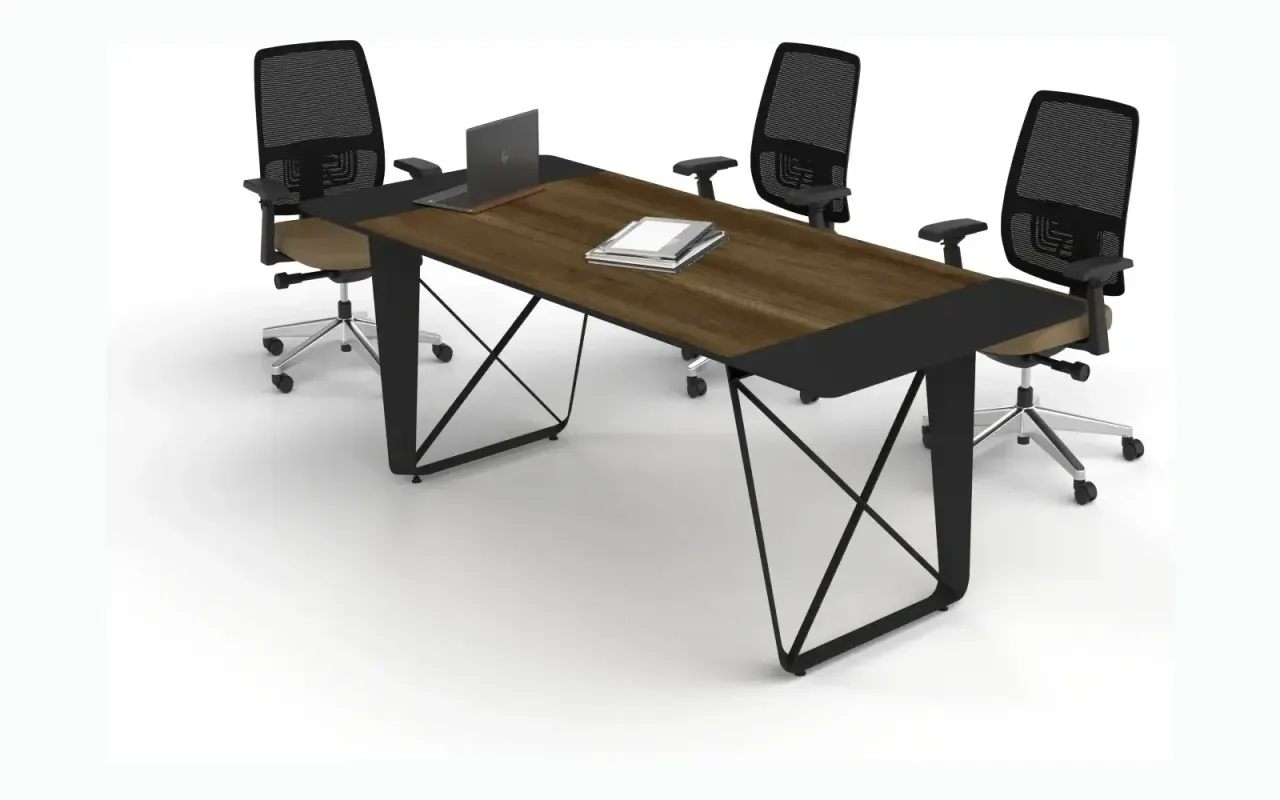
Furniture is one of the most defining elements of office design. Choose pieces that are both ergonomic and visually cohesive.
Minimal, multi-purpose, ergonomic furniture makes the space look more organized while offering ease of use. Avoiding oversized or unnecessary furniture creates a more balanced environment.
Harmonizing Colors and Materials
One of the key ways to achieve aesthetic balance in an office layout is choosing the right colors and materials. When colors work well together, the space looks more cohesive.
Light tones create a sense of openness, while natural materials build a warm, welcoming atmosphere. A balanced mix of materials such as metal, wood and glass delivers a modern look.
Combining Aesthetics and Function with Lighting
Lighting directly affects both the visual atmosphere and work performance. The right lighting solutions make the office both more stylish and more practical.
Supporting natural light, reinforcing focus areas with desk lamps and distributing general lighting evenly creates an ideal work environment.
Using Decorative Elements in Moderation
Decorative elements make an important aesthetic contribution to offices. They should, however, be used in balance and without excess.
- Wall art: Gives the space character.
- Plants: Create a natural atmosphere.
- Accessories: Personalize the space.
A less-is-more approach to decoration achieves a stylish look free of clutter.
Maintaining the Balance with Order and Cleanliness
No matter how well designed it is, an office layout can quickly lose its function if it is not maintained. Consistent habits of order and cleanliness are therefore essential.
Using storage areas properly, keeping desks tidy and removing unnecessary items sustains both aesthetics and functionality over time.
How Balance Affects Productivity
An office environment where functionality and aesthetics are in balance helps employees feel better. This boosts motivation and contributes directly to productivity.
Ultimately, a well-designed workspace offers more than a visual advantage; it lays the foundation for a more organized, comfortable and productive way of working.
Looking for the right furniture for your office?
Browse the full catalogue and add your favourites to your quote list.
Explore Products