

Prestigious and Functional Design Ideas for Executive Offices
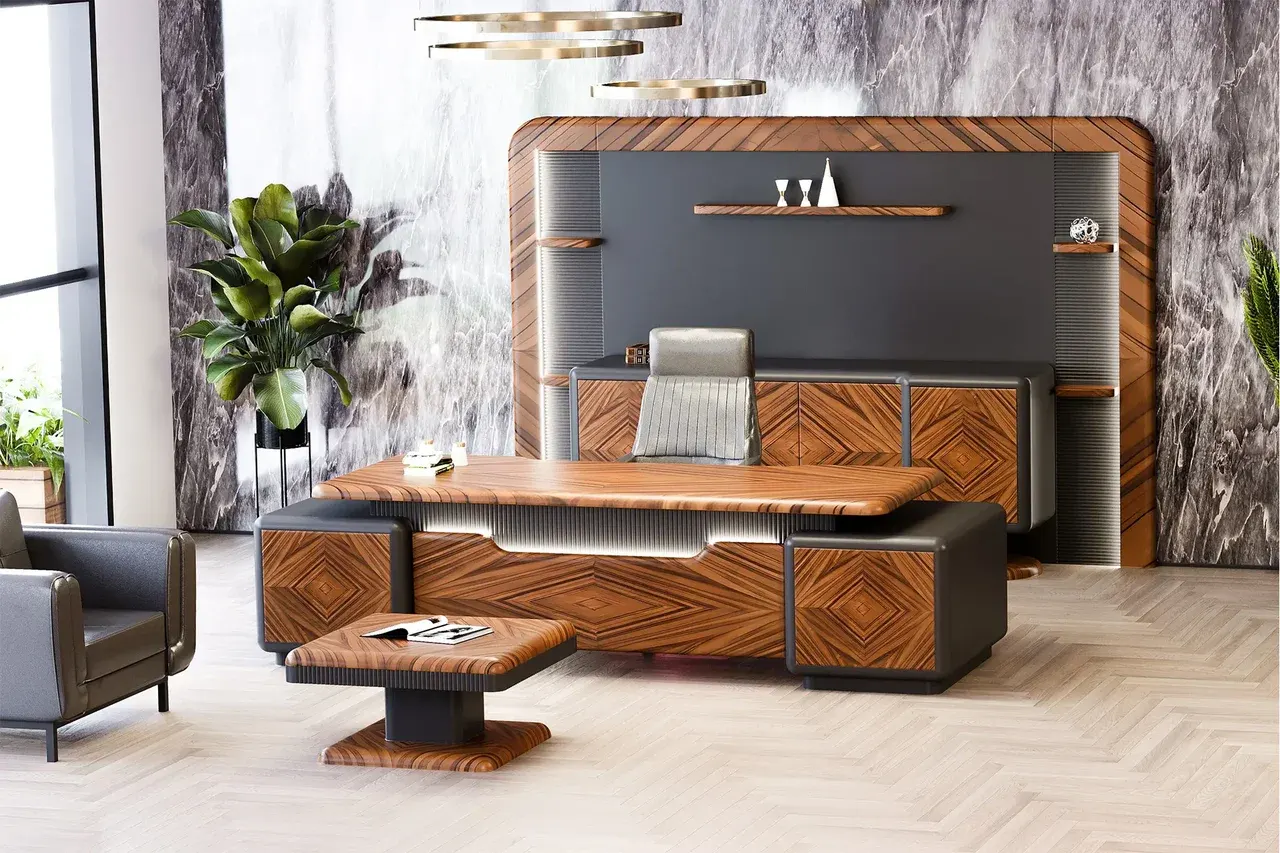
Executive offices are the spaces that most vividly reflect a company's leadership vision and corporate identity. These areas serve not only as workplaces but also carry strategic functions such as decision-making, holding meetings, and maintaining high levels of in-house motivation. For this reason, an executive office must look prestigious while delivering the highest functional performance. In this article, we examine in detail the design elements to consider when designing offices for executives, and the balance between aesthetics and functionality.
Furniture Selection as a Prestige Element
One of the most striking elements of an executive office is the furniture. Desks, chairs, seating groups, and bookshelves should be chosen to reflect the executive's position and authority. High-quality wood, leather, and metal details are ideal for creating a prestigious impression.
The executive desk should have a spacious, clean yet impressive structure that provides an ergonomic workspace. For seating, designs that are both comfortable and appropriate for a leadership position should be preferred.
Functionality: Planning Space Usage with Maximum Efficiency
Proper use of space in an executive office is important both for work productivity and for office flow. In addition to the primary work area — desk and computer — a seating arrangement for meetings and cabinets for storing files and documents should also be taken into account.
Electronic infrastructure (power outlets, internet, cable management) should also be correctly positioned so that all devices are easily accessible. A layout that does not restrict movement can achieve both aesthetic and functional balance.
Lighting: Natural Light and Smart Lighting Systems
The atmosphere of an executive office is directly related to the lighting system used. Windows, curtain systems, and glass partitions that make maximum use of natural light during the day should be employed.
For evening and indoor use, smart lighting systems should come into play. By combining task lighting, dim lighting, and accent lighting, both a productive working environment and a prestigious ambiance can be created.
Color and Material Harmony
The colors preferred in executive offices should reflect the character of the organization and the personal style of the executive. In general, dark tones (such as black, navy, walnut, and burgundy) convey a sense of leadership and seriousness, while light tones (such as beige, gray, hazelnut, and cream) offer a bright and modern atmosphere.
At the same time, the chosen materials should complement each other. Combinations such as wood with metal or glass with leather can create both a modern and sophisticated texture. Color and material harmony ensures the office looks professional.
Acoustic Comfort
Executive offices host important meetings and confidential discussions. For this reason, sound insulation and acoustic control are very important. Walls should be supported with acoustic panels, and doors should be soundproofed.
Additionally, sound-absorbing carpets or parquet systems should be preferred as floor coverings. These details both protect privacy and prevent work processes from being interrupted.
Guest Reception Areas
An executive's office must include a section for receiving guests. These areas are typically supported by seating groups, a coffee table, and a hospitality corner. A comfortable yet formal reception area creates a positive impression on visitors.
At the same time, this area should be positioned separately from the executive's working desk, and be made usable as a meeting room when needed. Comfortable seating, dim lighting, and elegant accessories in the guest area create a balanced atmosphere.
Personal Touches: Art, Plants, and Accessories
In executive offices, artworks, decorative accessories, and indoor plants that reflect personal tastes contribute both aesthetically and psychologically. Paintings, sculptures, or curated book selections give the office personality.
Live plants are not only decorative — they also improve air quality and create a sense of calm. These elements help the executive make decisions in a less stressful environment.
Technology and Smart Systems
Today, executive offices should incorporate advanced technology to allow managers to make quick decisions, efficiently manage data, and use digital communication effectively. Smart screens, video conferencing systems, integrated audio systems, and desks with wireless charging should all be considered in this context.
Furthermore, the ability to manage systems such as lighting, blinds, and climate control via remote control or a mobile application both enhances comfort and accelerates business processes.
Executive offices are critical spaces that symbolize a company's prestige and leadership approach. For this reason, designs need to go beyond aesthetic concerns and incorporate functionality, ergonomics, technological compatibility, and personal touches. A well-planned executive office that strikes the right balance both increases work productivity and projects a strong image for the company to the outside world.
Looking for the right furniture for your office?
Browse the full catalogue and add your favourites to your quote list.
Explore Products

